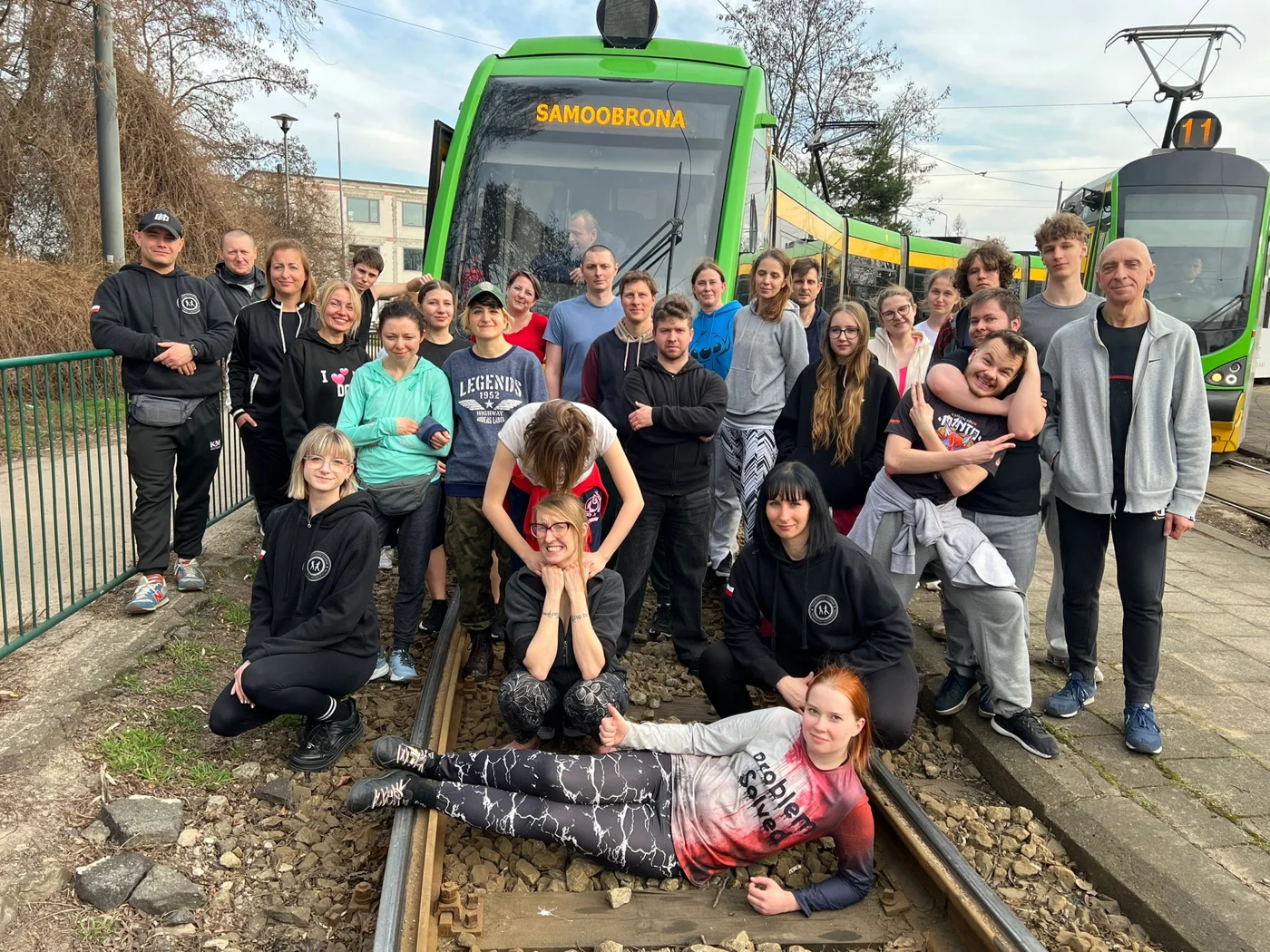
A corporate event works best when people leave with more than a shared photograph. Safety scenarios give a team a reason to listen, agree on roles and make decisions together. The aim is a practical experience, not to test who is the strongest.
A task with a shared goal
A group can practise what to do when a customer becomes aggressive at reception or a colleague needs help during a late shift. One person communicates, another creates space and a third calls the designated support. Afterwards the group discusses what was clear, what was missed and which procedures need updating. The exercise is adapted to the company rather than presented as a universal solution.
Inclusive participation
Not everybody wants physical contact at a company event. Participation can include observing a scenario, practising a verbal response or taking part in a gentle movement exercise. We agree on boundaries before starting, offer alternatives and avoid surprise role play. These choices make the workshop suitable for a mixed team with different experience and comfort levels.
Formats for a conference or office
A short module can fit between meeting sessions; a longer programme can combine several stations, such as situational awareness, de-escalation, safe travel and basic first aid. The right format depends on group size, available space, language and the purpose of the event. A manager can use the discussion to identify which internal instructions should be clarified later.
What team building can and cannot do
A workshop can help colleagues recognise when to ask each other for support. It does not replace the employer’s risk assessment or a procedure for reporting incidents. Physical techniques are approached cautiously and only where they match the group and setting. Prevention, communication and leaving a risky situation remain central.
A useful brief for the organiser
Tell the instructor how many people will attend, which languages they use, where the session will take place and whether the priority is integration, customer-facing safety or a specific incident pattern. We then agree on the scenario, duration and level of practical activity. For a broader programme see the guide to workplace safety workshops and the company event examples in Poznań and Warsaw.
A 90-minute example
A compact programme can still leave time to reflect. The organiser can choose one real work context rather than collect unrelated demonstrations. A simple structure keeps the focus on cooperation and lets a manager hear which instructions are clear to the team.
- Agree on boundaries, roles and a shared stop signal.
- Practise a short scenario in groups of three or four.
- Switch roles so observers also suggest a response.
- Discuss what worked and write down one procedure to clarify.